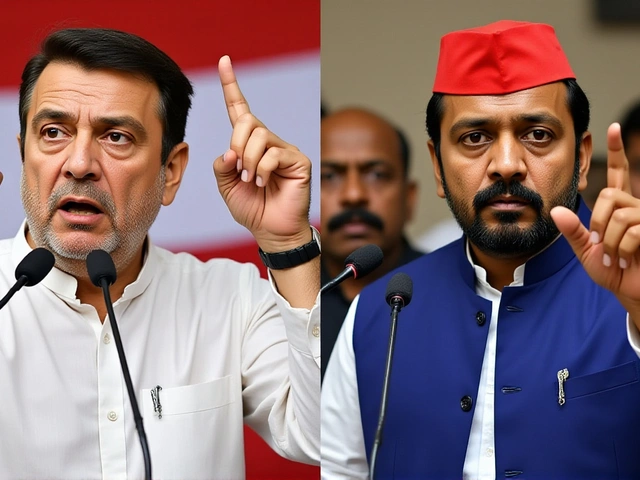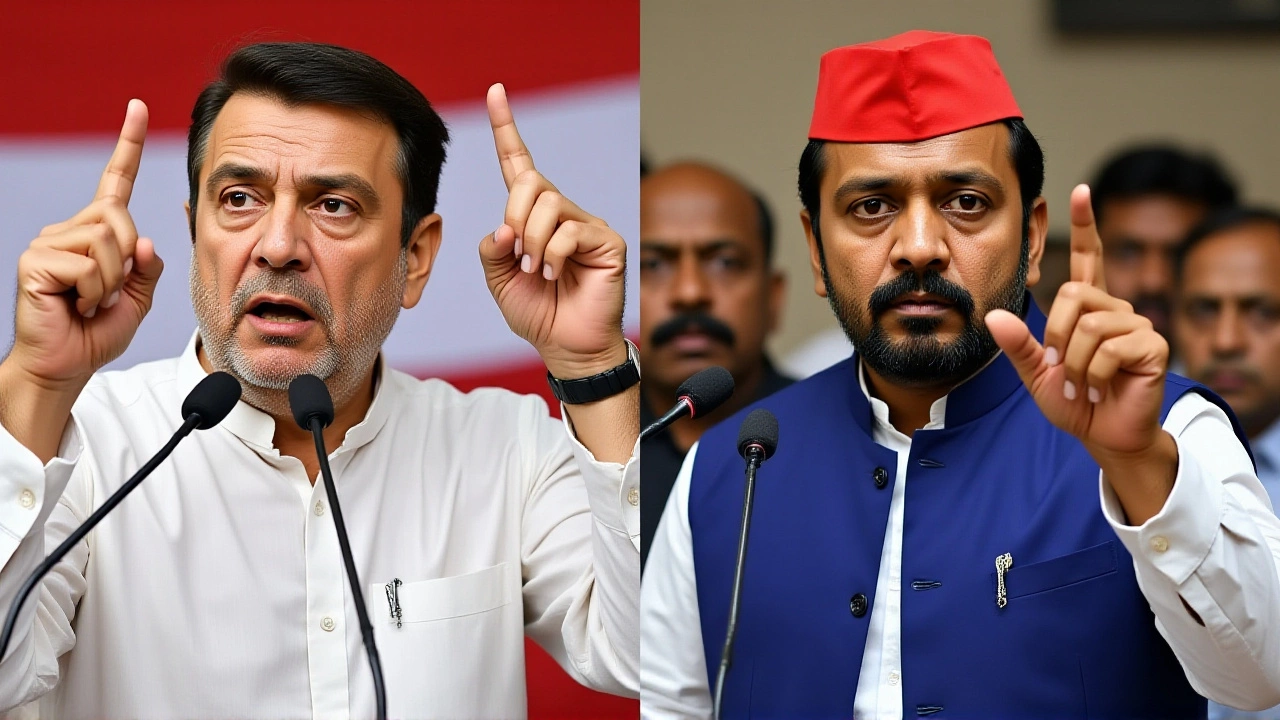
When Akhilesh Yadav, President of the Samajwadi Party, declared that "it's not about the number of seats, but the certainty of victory," he didn't just state a strategy—he handed the Indian National Congress a political headache. In Lucknow, the capital of Uttar Pradesh, reports suggest this stance has raised the party's collective blood pressure, forcing leaders into an impossible bind: accept fewer tickets and risk internal mutiny, or reject them and fracture the opposition alliance.
The tension centers on the upcoming legislative assembly elections for all 403 seats in the state. While national narratives often dominate headlines, the ground reality in India’s most populous state is shifting rapidly. Here’s the thing: Yadav isn’t asking for compromise out of weakness. He’s leveraging the Samajwadi Party’s (SP) claim to having a robust organizational structure across every single constituency.
The ‘Blood Pressure’ Dilemma for Congress
Analysts describe the current standoff as a classic catch-22 for the Congress high command. If they agree to Yadav’s formula—prioritizing winnable seats over numerical parity—they face anger from their own rank-and-file workers who have been waiting years for a chance to contest. These are local leaders with deep grassroots connections who feel sidelined by a top-down decision.
But wait, if they say no? The risk is far greater. A breakdown in negotiations could lead to the collapse of the Mahagathbandhan (Grand Alliance) in Uttar Pradesh. This would split the anti-incumbency vote, handing an easy victory to the ruling National Democratic Alliance (NDA), led by the Bharatiya Janata Party (BJP). The stakes couldn’t be higher: losing UP means losing relevance in national politics for the next five years.
"It’s a tightrope walk," noted one senior political observer based in Delhi. "Congress knows that fighting the SP alone is suicide. But accepting terms that seem lopsided demoralizes their own base. They’re trying to balance organizational ego with electoral arithmetic."
Yadav’s Confidence: Organization Over Numbers
Akhilesh Yadav’s message has been consistent and clear. He has publicly stated that the SP has activated its machinery in all 403 constituencies. This isn’t just rhetoric; it’s a strategic signal. By claiming strength everywhere, Yadav positions his party not as a junior partner begging for space, but as the primary vehicle for opposition consolidation in the state.
His argument is simple: why fight on seats where neither party has a strong chance, when you can combine resources to defeat the NDA in stronger fortresses? He argues that any ally joining the SP gets access to a proven booth-level network. It’s a bold move, reminiscent of how regional parties in states like Bihar and West Bengal have dictated alliance terms to national players.
This approach flips the traditional script. Usually, the larger national party dictates terms. Here, the regional heavyweight is setting the pace. For Congress, which has struggled to rebuild its presence in UP since 2019, this is a humbling reality check.
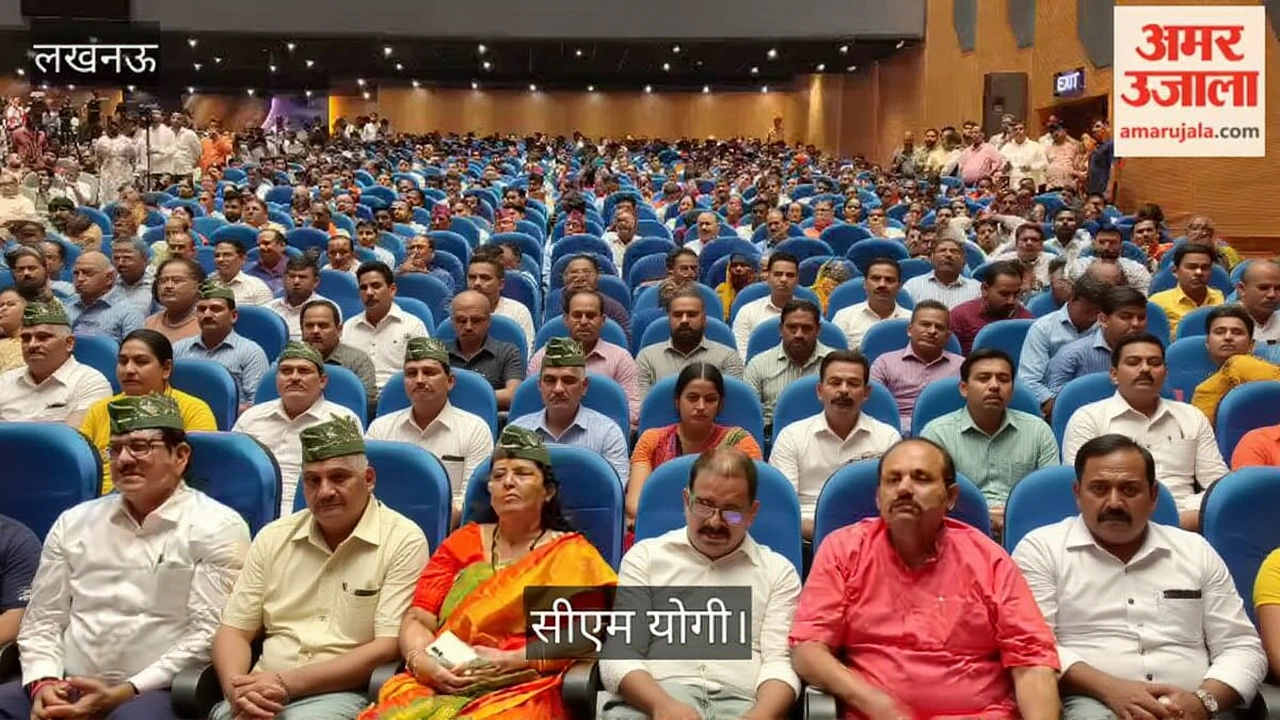
Echoes of the 2024 Lok Sabha Struggles
If this sounds familiar, it’s because it is. During the 2024 general elections, similar tensions flared. Reports indicated that Congress initially demanded around 20 Lok Sabha seats in UP, while the SP offered only 11. The gap was eventually bridged through intense backroom negotiations, culminating in Akhilesh Yadav joining Rahul Gandhi’s 'Bharat Jodo Nyay Yatra' in Agra—a symbolic gesture of unity.
However, the assembly elections present a different beast. With 403 seats at stake compared to 80 parliamentary seats, the math is more complex, and the egos involved are deeper. The previous truce doesn’t automatically translate to this new battlefield. The details of the current proposal remain vague, but the underlying friction is palpable.
The Broader Impact on Opposition Strategy
The ripple effects extend beyond Lucknow. The success or failure of the SP-Congress alliance in UP will set a precedent for other northern states. If the Mahagathbandhan fractures here, it signals weakness to voters nationwide. Conversely, a unified front that wins significant seats could reshape the political map of North India.
The NDA, meanwhile, is watching closely. Their strategy relies on keeping the opposition divided. Any public disagreement between Yadav and Congress leadership serves their interests perfectly. Both alliances are currently in a race against time, finalizing seat-sharing formulas and strengthening booth-level preparations roughly a year before the polls.
What Happens Next?
No official deadline has been set for these negotiations, but the window is closing. Political analysts predict that a resolution must be reached within the next few months to allow for effective campaigning. Expect more public statements, likely followed by private meetings between key stakeholders. The question remains: will Congress swallow its pride for the greater good, or will the alliance crumble under the weight of ambition?
Frequently Asked Questions
Why is Akhilesh Yadav demanding fewer seats for Congress?
Yadav’s strategy prioritizes winning power over sharing ticket quotas. He argues that the Samajwadi Party has a stronger organizational presence across all 403 constituencies in Uttar Pradesh. By focusing on 'winnable' seats rather than equal distribution, he aims to maximize the opposition's chances of defeating the BJP-led NDA, even if it means Congress contests fewer seats.
What is the 'blood pressure' issue for the Congress party?
The term refers to the internal dilemma facing Congress leadership. Accepting Yadav’s terms may cause dissatisfaction among their own workers and leaders who want to contest elections. However, rejecting the terms risks breaking the alliance with the SP, which could lead to vote-splitting and a massive loss to the ruling NDA. They are caught between internal morale and external survival.
How does this compare to the 2024 Lok Sabha elections?
During the 2024 general elections, Congress sought approximately 20 seats in UP while SP offered 11. This was resolved through negotiation and symbolic gestures like Yadav joining the Nyay Yatra. The current situation involves 403 assembly seats, making the stakes higher and the potential for conflict greater, as there is no automatic carryover of goodwill from the previous cycle.
What happens if the Mahagathbandhan breaks down in Uttar Pradesh?
A breakdown would likely benefit the National Democratic Alliance (NDA) significantly. With the opposition votes split between the SP, Congress, and potentially other smaller parties, the BJP could secure a majority with less effort. It would also weaken the national opposition narrative, suggesting disunity and lack of strategic coordination ahead of future national elections.
Is the Samajwadi Party really strong in all 403 constituencies?
While the SP claims to have an active organizational structure in all constituencies, political strength varies regionally. Yadav’s assertion is partly a negotiating tactic to establish leverage. However, the party does have a historical base and significant influence in western and central UP, giving him substantial credibility when claiming statewide reach compared to the Congress, which has struggled to rebuild its network since 2019.